Bad Data, Paid Out Anyway: When the Code That Grades Your Ticket Gets It Wrong
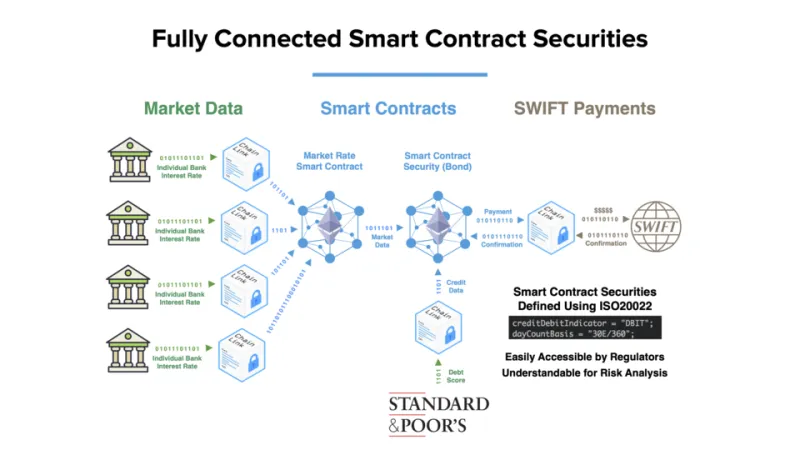
Photo: Sergey Nazarov, CC BY-SA 4.0, via Wikimedia Commons
There's a certain comfort in the pitch: no human bookie, no withheld payouts, no guy named Tony who suddenly stops answering his phone. The contract settles itself. Code is law.
Here's the part of the pitch they leave out — the code doesn't watch the game.
Somebody (or Something) Is Grading Your Ticket
Every on-chain sportsbook runs on an oracle, the bridge between the real world and the blockchain. The contract can't tune into Sunday Night Football. It reads a data feed — a score, a final stat line, a timestamp — and pays out accordingly. Whoever controls that feed is, functionally, the referee.
And referees miss calls.
Oracle failures come in a few flavors, and bettors should know all three:
- The glitch. A feed posts a wrong value for a few minutes. Maybe it's a typo in an upstream API, maybe a provider's server chokes mid-game. If your market resolves during that window, the contract doesn't care that the number was nonsense. It settles on the nonsense.
- The delay. Game gets postponed to Tuesday. The oracle reports the original scheduled time, or the market's resolution window expires before the make-up game finishes. Suddenly a bet you thought was alive is graded on technicalities you never read.
- The manipulation. This is the scary one. An attacker — sometimes with flash-loaned capital — feeds false data into the oracle during a narrow window and drains the book's settlement pool. You weren't even the target. You were standing next to the ATM when it got robbed.
The infamous Mango Markets exploit in 2021 wasn't a sportsbook, but the blueprint applies: manipulate the price feed, bet against yourself with borrowed funds, walk away with the treasury. On-chain books that settle on thin liquidity or single-source feeds are playing the same game with your ticket as the collateral.
So What's the Dispute Process? (Spoiler: Sometimes There Isn't One)
Traditional books have a human escalation path. You email support, you cite the official league box score, you wait. It's slow and occasionally infuriating, but it exists.
On-chain settlement varies wildly:
- Decentralized dispute systems — think UMA's optimistic oracle model, where a proposed result sits open for a challenge period and token holders vote if someone contests it. Better than nothing, but disputes can take days, and "the crowd decided your parlay lost" is a strange kind of justice.
- Admin keys with a human override. Some books keep a pause button or a manual resolution function. Sounds reassuring until you realize the same key that fixes your bad settlement could also freeze withdrawals — the custody question dressed in a different jersey.
- Nothing. The contract reads the feed, pays, done. If the feed was wrong, your recourse is a Discord ticket and a prayer.
The neutral truth is that most oracle errors on major infrastructure like Chainlink get corrected quickly and historical feeds are reliable. But "most" and "quickly" are doing a lot of work in that sentence when your five-leg parlay resolves in the ninety seconds of a bad tick.
Auditing the Settlement Before You Need It
You read the odds. You should read the rails. Before you put a dollar on an on-chain book, spend twenty minutes doing the homework that separates a real operation from a settlement time bomb:
Find the oracle source. It should be stated plainly in the docs. Chainlink data feeds for major markets? Reasonable. A single API run by the sportsbook itself? That's just a centralized book wearing a smart contract costume.
Check for dispute or appeal mechanics. Is there a challenge window? A governance fallback? How long does it take, and who pays gas to file?
Look at resolution history. Most on-chain books leave their settlements visible forever. Scan for contested markets. If a book has a graveyard of disputed tickets resolved by admin override, you now know how your dispute will end.
Read the postponement rules in the contract, not the FAQ. The marketing site says "postponed bets void." The contract might say the market resolves on the scheduled timestamp no matter what. Code wins ties.
Size accordingly. If a book settles on a single-source feed with no dispute path, treat it like a book with a shaky license: fine for a fun Saturday bet, not where your bankroll lives.
The Ref Analogy Only Goes So Far
Here's the uncomfortable closing thought. When a human ref blows a call, the league has replay review, fines, and a public record. When an oracle blows a call, the "league" is a DAO vote, a multisig, or a feed you can't even see.
Code is law, sure — but the law only knows what it's told. The sharpest bettors in the crypto game already DYOR on odds and lines. The next edge isn't picking winners. It's picking settlement systems that won't pick your pocket on a technicality.
Audit the referee before the game starts. Because when the smart contract grades your ticket wrong, it won't matter how right you were.