Who's Actually Holding Your Bitcoin Right Now? A Bettor's Guide to Sportsbook Custody
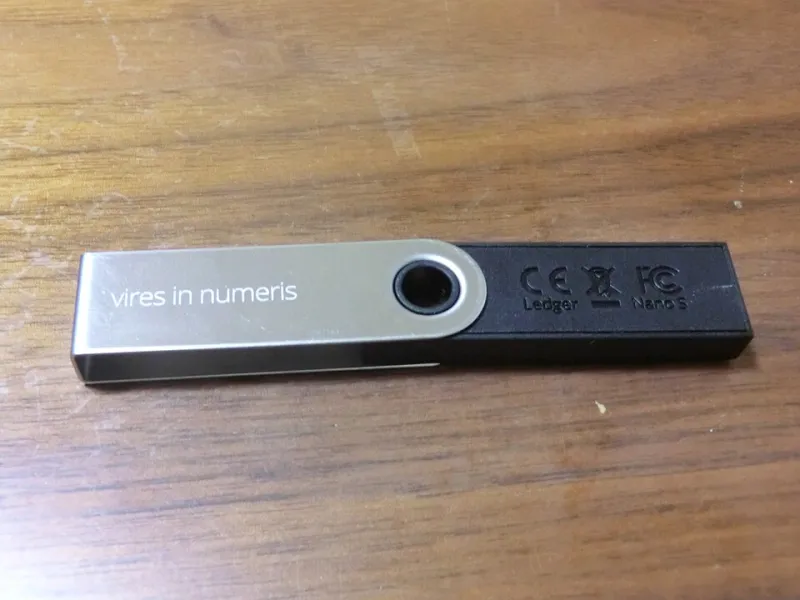
Photo: Motokoka, CC BY-SA 4.0, via Wikimedia Commons
Walk into any casino in Las Vegas and the money you exchange for chips doesn't sit in a shoebox behind the craps table. It goes into a cage — a controlled, audited, camera-covered room with more layers of security than the vault at your local bank branch. The cage is boring. The cage is deliberate. And the cage is exactly what most crypto sportsbooks don't have.
When you deposit BTC, ETH, or USDT at an online book, the question almost nobody asks before clicking "confirm" is the simplest one in the industry: who is holding your money right now?
The Hot Wallet Problem Nobody Puts in the FAQ
Here's how custody works at most crypto books. Your deposit lands in a hot wallet — an internet-connected wallet that lets the site process withdrawals quickly. That's the whole selling point of crypto gambling: no waiting three business days for your bank to clear anything. You hit withdraw, the hot wallet pays out, done.
The problem is that a hot wallet is also, by definition, reachable by anyone who gets the keys. And keys get stolen. It's not hypothetical — exchange hacks have drained hundreds of millions from hot wallets over the years, and sportsbooks run with thinner security teams and less regulatory oversight than major exchanges. A book holding one week of payouts in a single-signature wallet connected to the internet is basically leaving the cage door propped open with a brick.
The industry's answer is supposed to be cold storage: the bulk of deposits swept offline into wallets that have never touched the internet. But here's the uncomfortable truth — there's no rule requiring a book to do this. No auditor shows up. No regulator publishes reserve ratios. Whether a sportsbook keeps 90% of funds cold or 0% is entirely a function of whether the operator feels like it.
"Withdraw Anytime" Is a Promise, Not a Guarantee
Every crypto book markets the same thing: your money is yours, pull it whenever you want. But that promise is only as strong as the multisig arrangement backing it.
A well-run operation uses multisignature wallets — meaning no single person can move funds. Two or three keys, held by different people, sometimes with hardware requirements and geographic separation. If one insider goes rogue or one laptop gets compromised, your bankroll survives.
A badly run operation — or worse, a scam dressed up as one — has the owner's laptop holding everything. That's not a sportsbook. That's a honeypot with a betting interface.
And when a book gets drained or decides to exit, the pattern is always the same. First, withdrawals "slow down for maintenance." Then limits appear. Then the Discord goes quiet. By the time the Telegram group is asking questions the admin won't answer, the cold wallet — if one ever existed — is already moving.
Reserves: The Part Everyone Ignores
Traditional finance has a concept crypto books have mostly shrugged off: proof of reserves. Exchanges have been dragged toward it after every major collapse. Sportsbooks? Crickets, mostly. A handful of larger operators publish wallet addresses or claim cold storage percentages, but a screenshot of a wallet address proves nothing about whether your deposits are in it.
The honest framing is this: when you deposit at a crypto book, you're not putting chips in a cage. You're extending an unsecured loan to a company that may be incorporated somewhere you've never heard of, run by people whose real names you don't know, holding your money in a structure you can't verify. That's the trade you're making for instant payouts and no KYC friction. Fine — but make it with your eyes open.
The Cage Check: Five Questions Before You Deposit
Before you send a single satoshi to a new book, run this checklist:
- Do they publish wallet addresses or reserve claims — and are they verifiable? A transparency page with actual on-chain data is a green flag. A paragraph of marketing copy is not.
- What's the withdrawal track record? Search for payout complaints, especially recent ones. A book that suddenly takes 24 hours on withdrawals is telling you something.
- Is there a withdrawal limit that would trap a big win? If daily caps mean a five-figure hit would take weeks to extract, you're exposed to a month of counterparty risk on every parlay.
- How old is the operation, and who's behind it? Longevity doesn't guarantee solvency, but a book with two years of clean payouts has more reputation to lose.
- How much are you keeping on-site? This is the one that matters most. The two-pocket rule — hot wallet for action, cold wallet for savings — applies to you, not just the house. The book's custody failures hurt less when your exposure is a weekend bankroll, not your net worth.
Bet Like the Cage Exists — Because Sometimes It Doesn't
Casinos spent a century building the cage because they learned the hard way what happens when money and trust sit in the same pair of hands. Crypto books are rebuilding that history in fast-forward, except the failures are on-chain and permanent.
You can't audit the multisig behind your favorite book. You can't force anyone into cold storage. What you can do is treat every deposit as risk capital, keep your stack off-site, and judge operators by their payout behavior rather than their bonus banners. The house always has the edge — just make sure it doesn't also have your keys.