Debug Your Degen: Running a Forensic Audit on Your Own Losing Month

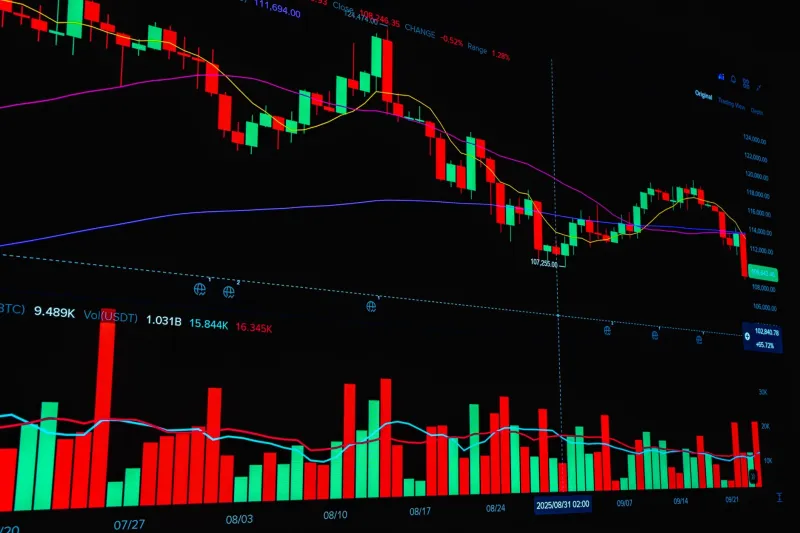
Photo: person analyzing cryptocurrency charts late at night laptop red candles, via thumbs.dreamstime.com
When a DeFi protocol gets drained for eight figures, the post-mortem shows up on GitHub within days. Line-by-line, block-by-block, some poor engineer walks the community through exactly where the code broke: this function assumed X, the attacker did Y, and $40 million walked out the door.
Nobody in crypto accepts "it just happened" as an explanation. Except, apparently, when it's their own bankroll doing the bleeding.
If you just closed out a losing month at the book — and let's be honest, somebody reading this did — you owe yourself the same forensic treatment. Not a vague promise to "bet smarter." An actual audit. Pull the logs, tag the transactions, find the exploit vector. Because in your betting career, the most dangerous unpatched vulnerability isn't the vig or the juice. It's the bug in your own habits that nobody's bothered to review.
Step One: Export Everything
Every serious post-mortem starts with the data, and yours exists whether you like it or not. Most crypto books let you download your full transaction history — deposits, withdrawals, every ticket graded. Export it. If the site won't give you a clean CSV, screenshot and transcribe. Tedious? Sure. But a surgeon doesn't operate off memory, and neither should you.
If you fund your book from a self-custody wallet, you've got a second data source most bettors ignore: the chain itself. Pull your wallet history from the same window and reconcile. Deposits that never made it to bets, withdrawals that came back too fast — those patterns matter, and we'll get to why.
Step Two: Tag Every Ticket
Now the real work. Each bet gets labeled across a few dimensions:
- Market type — NFL spreads, MLB totals, live tennis, that random table tennis match at 3 AM
- Stake size — and whether it was your normal unit or an "I'm feeling it" special
- Timing — day of week, hour of day
- Emotional state — and yes, you have to be honest here. Were you flat, or were you chasing?
That last column is the one everyone skips, and it's the one that pays. You're not writing a diary. You're flagging the conditions under which your decision-making degrades. Think of it as logging the environment your code ran in.
Step Three: Hunt the Exploit Vector
With the data tagged, patterns start crawling out. A few classics we see over and over:
The Reentrancy Chaser. One loss triggers an immediate re-bet at double the stake to "get back to even." In smart contract terms, that's a reentrancy attack — a process re-entering before it should, draining funds with every loop. In your ledger, it looks like a cluster of escalating stakes within twenty minutes of each loss. If your worst hours cluster around losses rather than wins, congratulations: you found the drain.
The Oracle Manipulation. Your "edge" bets are all placed at odd hours on thin markets — the ones where the line hasn't caught up to reality, or so you tell yourself. Sometimes that's genuine sharp play. More often, it's you betting into illiquid odds because nobody's watching. Thin markets punish the impatient.
The Gas Leak. Small, constant losses that never show up in your mental math: fees on deposits, fees on withdrawals, that parlay insurance you keep buying. Individually dust. Compounded over a month, a real tax. Your wallet history exposes this even when the book's numbers hide it.
The Untested Deploy. Every bet in a sport or market you haven't tracked is unaudited code pushed straight to mainnet. If your ledger shows a chunk of losses in markets you couldn't explain to a friend, that's not variance. That's deploying without a test suite.
Step Four: Ship the Patch
An audit that ends in feelings is worthless. It ends in rules, written down, enforced like a smart contract — no admin key, no override.
Maybe your patch is a hard cap: no re-bet within thirty minutes of a loss. Maybe it's a market whitelist: you only touch the three sports you actually track. Maybe it's a withdrawal schedule: profits above a threshold auto-sweep to cold storage every Friday, so a hot streak can't melt back into the book.
Whatever your fixes are, treat them like mainnet. You don't get to hot-patch mid-session because you've got a feeling about the Sunday night game. The rules deployed at the start of the month are the rules. That's the whole point of removing human discretion — it's the vulnerability in the first place.
Run It Quarterly
One audit isn't a security posture; it's a snapshot. The books change their bonus structures, the markets shift, and your own life stress moves around. Set a recurring reminder — first weekend of every quarter, pull the logs, re-tag, re-review. Fifteen minutes of unglamorous bookkeeping is the closest thing degens have to a bug bounty.
The best traders and the best bettors share one trait: they'd rather be brutally embarrassed by their own data than comfortably wrong about it. The chain doesn't lie, your transaction history doesn't lie, and after a red month, neither should you.
Pull the logs. Find the bug. Patch it before the next drain.