The Quote Is Stale Before You Click: Measuring the Real Price of a Slow Odds Feed

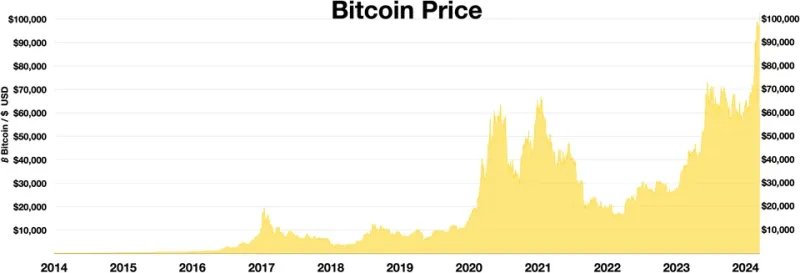
Photo: forextime.com, CC BY 2.0, via Wikimedia Commons
You see +150. You click bet. Your wallet signs. The chain confirms. Somewhere in those eight to forty seconds, the line moved — and you just paid the difference without ever getting a receipt.
Welcome to latency arbitrage, the tax nobody talks about because it never shows up on a betting slip.
The Feed Is Always Behind
Sportsbook odds feeds — especially the aggregated ones powering smaller crypto books — refresh on a delay. The book quotes you a price based on data that's seconds old. By the time your bet lands on-chain, the sharp money has already moved the real market. The book isn't eating that risk; you are. They call it slippage. You should call it a hidden vig.
Traditional Vegas books solve this with instant centralized execution — they can reject or re-price your bet in milliseconds. On-chain execution can't re-price mid-transaction. Your signed bet is a commitment to a number that may already be a lie.
Measuring Your Effective Vig
Here's the exercise that separates bettors from depositors. For one week, log every bet with three numbers: the posted line at click time, the fair market line (check a sharp aggregator or exchange), and the line your ticket actually locked in.
The gap between what you locked and what the market said at execution is your effective vig. If the posted juice is -110 but your fills consistently land 15-25 cents worse than fair market, you're not betting at -110. You're betting at something closer to -130 dressed up in a -110 costume.
Run the math over 50 bets. Most bettors are shocked. The book that looks like the best deal on the screen is often the worst deal at settlement.
Which Books Hide the Biggest Gap
A few patterns worth knowing:
- Aggregator-fed books — the ones pulling odds from a third-party feed with no market-making of their own — show the widest quote-to-fill gaps. They're passing through stale prices and the delay that comes with them.
- Books with instant on-chain settlement but slow oracle updates lock your number late relative to the market. Small books, big slippage.
- Books that let you cancel during pending confirmation are quietly telling you their quotes are soft. A confident book doesn't need a cancel button.
Test it yourself: place a tiny bet on a fast-moving market — an NFL fourth quarter, a UFC round, an in-game NBA total. Compare your locked number to the live screen thirty seconds later. Do that ten times across the books you use. The spread in your own data will tell you more than any review site.
What You Can Actually Do
You can't eliminate latency. You can stop paying for it blindly.
Bet earlier in the cycle when lines are less volatile and the feed's staleness matters less. Avoid market-order-style bets on live events where a 30-second delay is the whole game. Prefer books that re-confirm your price at execution rather than at click. And above all, track your effective vig like you track your record — because it's the same thing, just denominated in cents instead of wins.
The house always wins the advertised vig. The sharp house also wins the invisible one. Make sure you know which one you're funding.