Narrative Chips: Trading Meme Coins Like the Prop Board at Your Local Book

You know the bet. The one your group chat argues about at 2 a.m. — will the Super Bowl coin toss come up heads, will the halftime show get interrupted, will some bench player hit a half-court shot. Nobody pretends these wagers are about skill or fundamentals. You're betting on a story, a vibe, a moment.
Now look at your Phantom wallet. That dog-themed token your buddy won't shut up about? Same animal. Different jersey.
The Prop Bet You Already Made
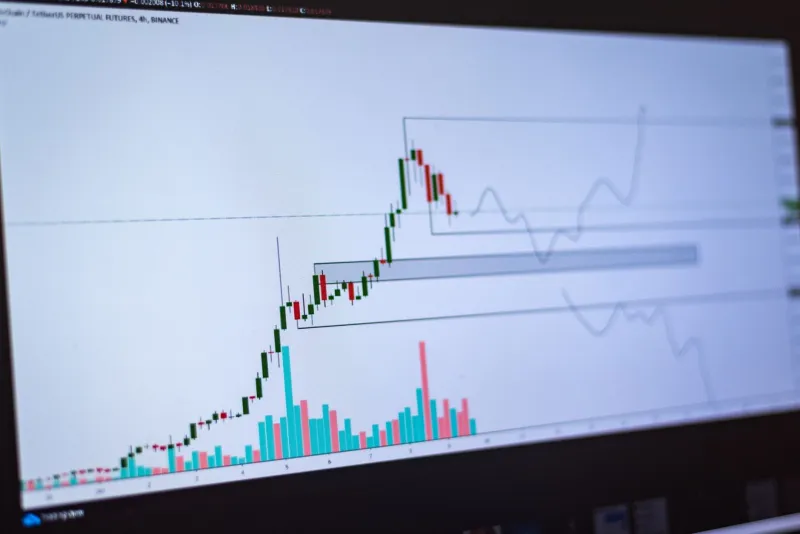
Here's the uncomfortable truth most crypto gamblers won't say out loud: when you ape into a low-cap token, you're not investing. There are no fundamentals to analyze. No revenue, no product, sometimes not even a working website. What you're actually doing is wagering on a narrative — will this story catch fire, will the crowd show up, will the chart go vertical before it goes to zero.
That's a prop bet. And the sooner you treat it like one, the better your results will get.
Think about how a sharp bettor approaches a novelty prop. They don't convince themselves the coin toss is a coin-flip they've "studied." They size it like the lottery ticket it is, take the shot, and move on. The person who puts their entire bankroll on the coin toss isn't a bettor — they're a donor.
Sizing Rules From the Sportsbook That Translate Perfectly
If you wouldn't put more than 1% of your roll on a longshot prop, why would you put 30% of your stack into a token with a $400K market cap and a roadmap written in a Telegram chat?
Here's the framework:
- The 1-2% rule. Any meme or low-cap position should sting when it dies, not wound you. If losing it changes your betting bankroll this week, it's too big.
- The pre-written exit. Before you buy, write down two numbers: the price where you take profit and the price where you admit the narrative is dead. No revisions after entry. Your brain will lie to you the moment you're underwater — it's the same voice that says "one more leg parlay" at 11:55 p.m.
- The no-average-down rule. Averaging into a dying meme coin is the crypto equivalent of chasing a losing bet at triple the original stake. You know how that story ends.
Reading the Narrative Like You Read the Board
Sharp prop bettors look for mispriced attention. The same skill applies to narrative tokens. Is this story already everywhere — every influencer shilling it, every group chat talking about it? Then you're not early, you're the exit liquidity. That's the equivalent of taking -400 on a prop the whole timeline already hammered. The value's gone; only the risk remains.
What you want is the narrative before the crowd: a new meta, a fresh meme format, a catalyst that hasn't hit yet. It's the same instinct as grabbing a player-prop line before the injury report goes public.
And just like the sportsbook, watch who's setting the line. If a handful of wallets hold most of the supply, you're not betting against the market — you're betting against one guy who can flip the board whenever he wants. Check the holders. Check liquidity locks. That's your injury report.
When It's Not a Prop Anymore
There's a line, and it's worth knowing where it sits. Some tokens start as lottery tickets and occasionally grow actual utility, actual communities, actual staying power. When that happens, the sizing math changes — a position with real adoption deserves different treatment than a pure narrative flip.
But be honest with yourself about which one you're holding. The graveyard of US crypto gamblers is full of people who bought a joke, watched it run, and convinced themselves they were early to "the next Solana." The joke was the thesis. Take the win like you'd cash a prop ticket and walk to the window.
The Bottom Line
Nothing wrong with betting on stories. Prop bets exist because they're fun, and meme coins are fun for the same reason. The damage happens when you confuse the two games — treating a narrative flip like an investment, or sizing it like your rent depends on it.
Bet the narrative. Size it like a prop. Write your exits before the candles start moving. And when the story's over — because it's always over — cash out like a professional and go find the next one.
The house doesn't care which game you're playing. But your bankroll absolutely does.