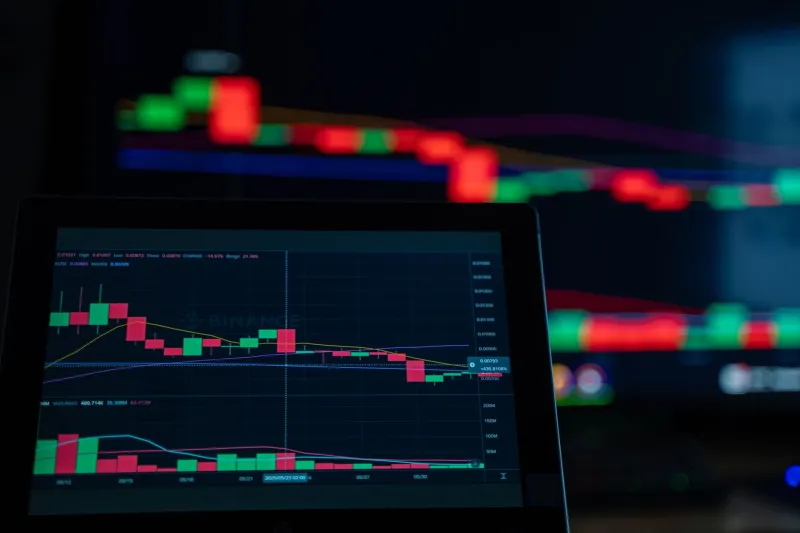
The Bankroll Never Closes: How 24/7 Markets Turn a Bad Night Into a Bleeding Week
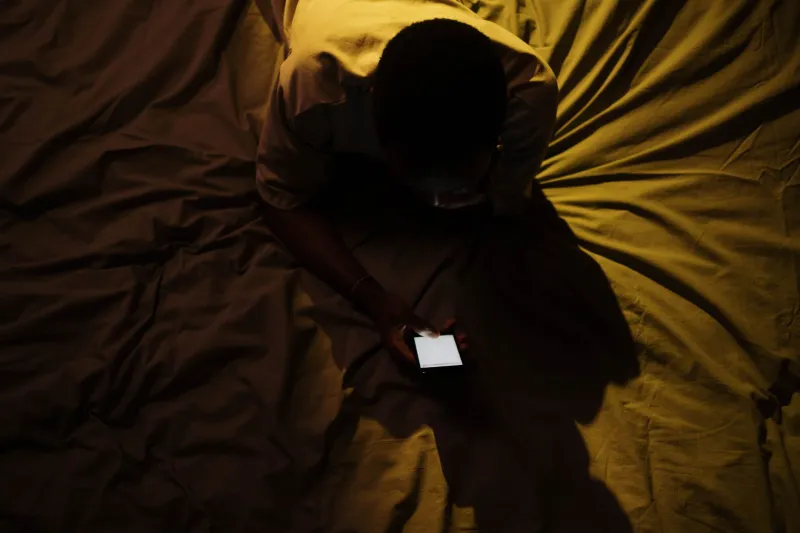
There's a scene every crypto bettor knows. It's somewhere past 2 a.m., you're down three bets deep, and the light from your phone is the only thing illuminating the room. In a casino, this is the moment a bartender cuts you off or the floor closes. On a crypto book, this is the moment you move another $200 of altcoins onto the board — because you can. Because nothing stops you.
That's not a small difference. That's the whole difference.
The Casino Had a Clock. You Don't.
Traditional gambling has always had friction built in — some of it deliberate, some accidental. The sportsbook closes. The ATM has a daily limit. The drive home gives you twenty minutes of sober thinking. Behavioral economists call these "friction points," and they're the reason your grandfather didn't lose the house on a Tuesday.
Crypto removed every single one of them. Your bankroll isn't sitting in a cashier's cage — it's in a self-custody wallet, one tap away from the book, 24 hours a day, 365 days a year. Bitcoin doesn't close for Thanksgiving. Your altcoin stack doesn't take weekends off. The market is awake when you shouldn't be.
The result is what I'd call ambient tilt. In poker, tilt is an event — a bad beat, a shove, a visible blowup. In crypto betting, tilt is a state of residence. You can live in it for days because there's no natural exit point. The losing session never technically ends; it just pauses while you sleep, then resumes when you check the odds over breakfast.
Denominated in Denial
Here's the second layer, and it's uniquely crypto: when your bankroll is in coins you never cashed out, losses feel abstract. Down 0.04 BTC? That's not a number with emotional weight — it's a string. Down $2,600? Your brain treats that like money, because it is.
Psychologists call this the pain-of-paying effect, and it runs in reverse too. Crypto's denomination opacity — the constant mental conversion you have to do between "crypto units" and dollars — dulls the sting of losses while keeping the dopamine of wins fully intact. It's the same reason casino chips exist. Except chips are given to you by a cashier who watches your eyes. Your wallet asks nothing.
And there's a third kicker: volatility itself. You can go to bed down, wake up with your bankroll 15% higher because the market ripped overnight, and convince yourself the losses "don't count." That's not bankroll management. That's a slot machine bolted onto your slot machine.
Guardrails That Actually Work
I'm not here to lecture anyone into abstinence — this is BitBetKub, not a hotline. But if you're going to bet in a market that never sleeps, you need to build your own closing time. Here's what actually works:
The cold wallet timeout. Keep your betting float on the book or in a hot wallet. Keep the rest in cold storage that takes real effort to reach — hardware wallet, passphrase, the whole ritual. When you're tilted at 2 a.m., the twenty minutes of friction standing between you and your savings isn't an inconvenience. It's the adult in the room.
Session locks, set while sober. Most reputable books let you set deposit limits and session timeouts. Do it when you're level-headed, because the 2 a.m. version of you cannot be trusted with that decision. He's not you. He's you minus $400 and plus a theory about the under.
The dollar-denomination rule. Whatever your bankroll is in, write down its USD value when you deposit and never look at the coin price again until you're done betting. You're a bettor, not a trader pretending to be one. Kill the volatility escape hatch.
The liquidation question. Ask yourself one thing before every rebet during a losing night: Am I betting a plan, or betting a feeling? If you can't answer in five seconds, close the app. The odds will still be there tomorrow. They always are. That's the problem.
Know the Moment It Changes
A losing night is a cost of doing business. A liquidation event is when the losing night starts borrowing against your future. The tell is simple: the size of your bets starts scaling with your losses instead of your bankroll. When you're sizing stakes to "get back to even" rather than to a unit plan, you've stopped gambling and started digging.
The old casino world had walls around this stuff — some of them were even for our own good. Crypto tore them all down and handed us the keys to a book that's always open. Freedom's great. But freedom without a closing time is just a longer way to lose.
Set your own last call. Nobody else is going to.